The goblins in the River Plate culture: the Creole, the European
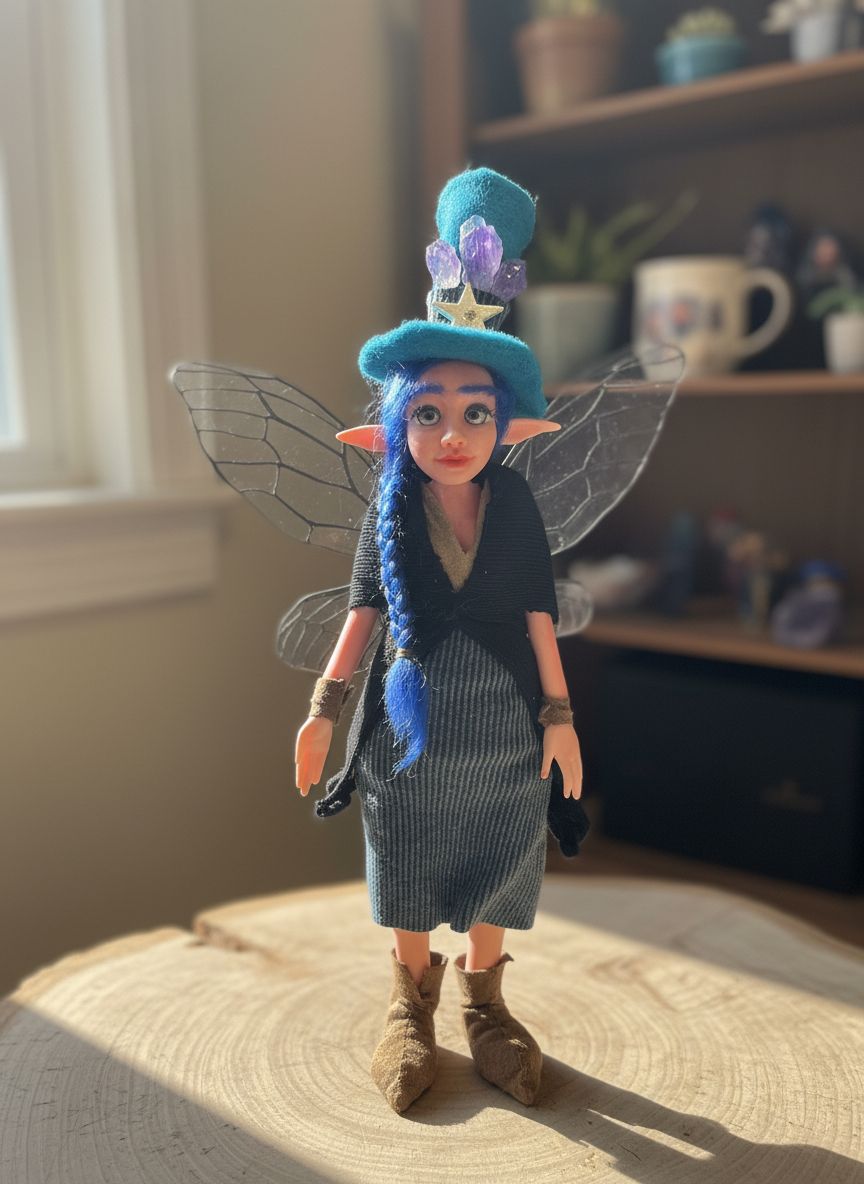
The elves that live near you are not the same ones that appear in European fairy books. They are distant relatives. Something changed when they crossed the ocean.
Every time someone asks us "but are these Irish, Scandinavian, or Celtic leprechauns?", the short answer is: none of the three, and a little bit of all three. The Rio de la Plata goblins are a specific mix that only occurs here, and it is worth understanding.
Before the ships
Before the arrival of Europeans to the Río de la Plata, what is now Uruguay and the Argentine coastal area was inhabited by Charrúas, Guaraníes, Minuanes and other peoples. Each one had their own worldview: presences of water, of the forest, of the earth. They didn't call them elves — the names were different — but the experience of feeling non-human presences in specific places was already there.
Those beings did not leave when the ships arrived. They continued there. What changed was the language with which they were spoken about.
The crossing
European immigrants — Spanish, Italian, Galician, Basque, Irish, German — brought their own traditions of elemental beings. Each culture had its elves, its fairies, its gnomes: the Swedish tomte, the Irish leprechaun, the English goblin, the Galician goblin, the Italian folletto.
When these traditions met the land of the River Plate, something curious happened. The beings were already there (the natives). The European words gave them a new name. But the beings are not the same as the European ones: they are a fusion.
The River Plate elves inherited their name from the European. From the land here they inherited their way of being.
Why ours are different
There are three key differences that we learned to recognize in years of channeling:
1 · They are less territorial
The classic European elf is tied to a place — a specific cave, a specific tree, a specific house. The River Plate elf is more nomadic. It has a base area (the pampas, the mountains, the coast), but it moves. It can move in with you if you move. That doesn't make him an Irish leprechaun.
2 · They are more talkative
Traditional European elves tend to be silent, elusive, moody. Ours talk more. If it chooses you, you will hear it — in dreams, in sudden thoughts, in phrases that appear to you while you are doing something boring. The Creole culture of mate and after-meal had an influence: people here are conversational.
3 · They combine elements
In Europe, a goblin is a goblin. A fairy is a fairy. Here they mix. We have guardians who are at the same time of the forest and of the water, of the air and of the earth. Hybrids are the rule, not the exception. This happens because the pampas, the mountains and the rivers of the Río de la Plata are not separate ecosystems like in Europe: they are intertwined, transitional.
The Creole gnome, in a sentence
A River Plate elf is an elemental being that moves between planes, that converses, and that does not respect the divisions of elements such as the European divisions. It is nomadic, dialogue, hybrid.
Why does this matter to you
If you adopted a guardian of Gnomes from Uruguay, what you have is that: a being channeled in this land, with this mixture. You are not going to be able to read a Celtic book and find the exact description of your guardian, because yours is not Celtic. It's from here.
That's good. It means that his way of accompanying you is adapted to our rhythm: the five o'clock mate, the silent noon, the coastal nights. It is not an imported being: it is a rooted being.